Mother Gives Up the Orthodox Wig
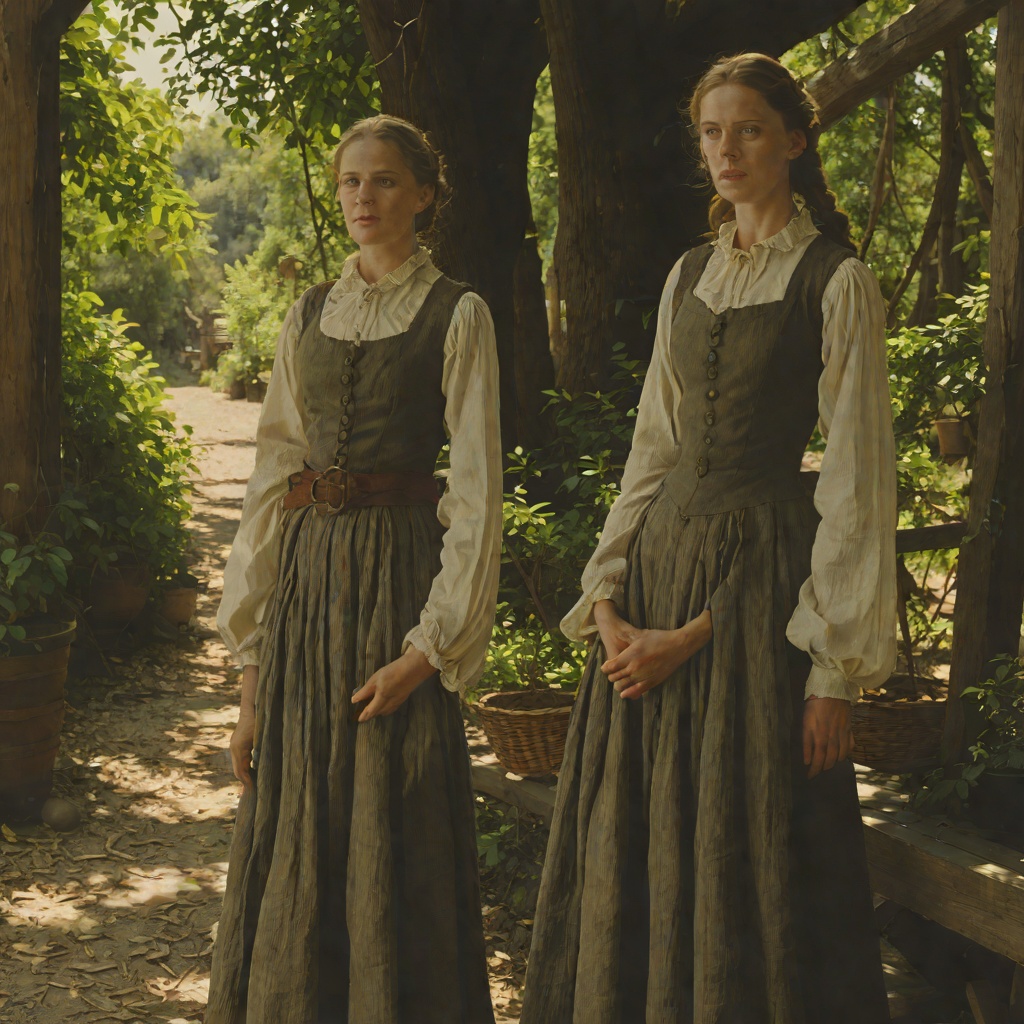
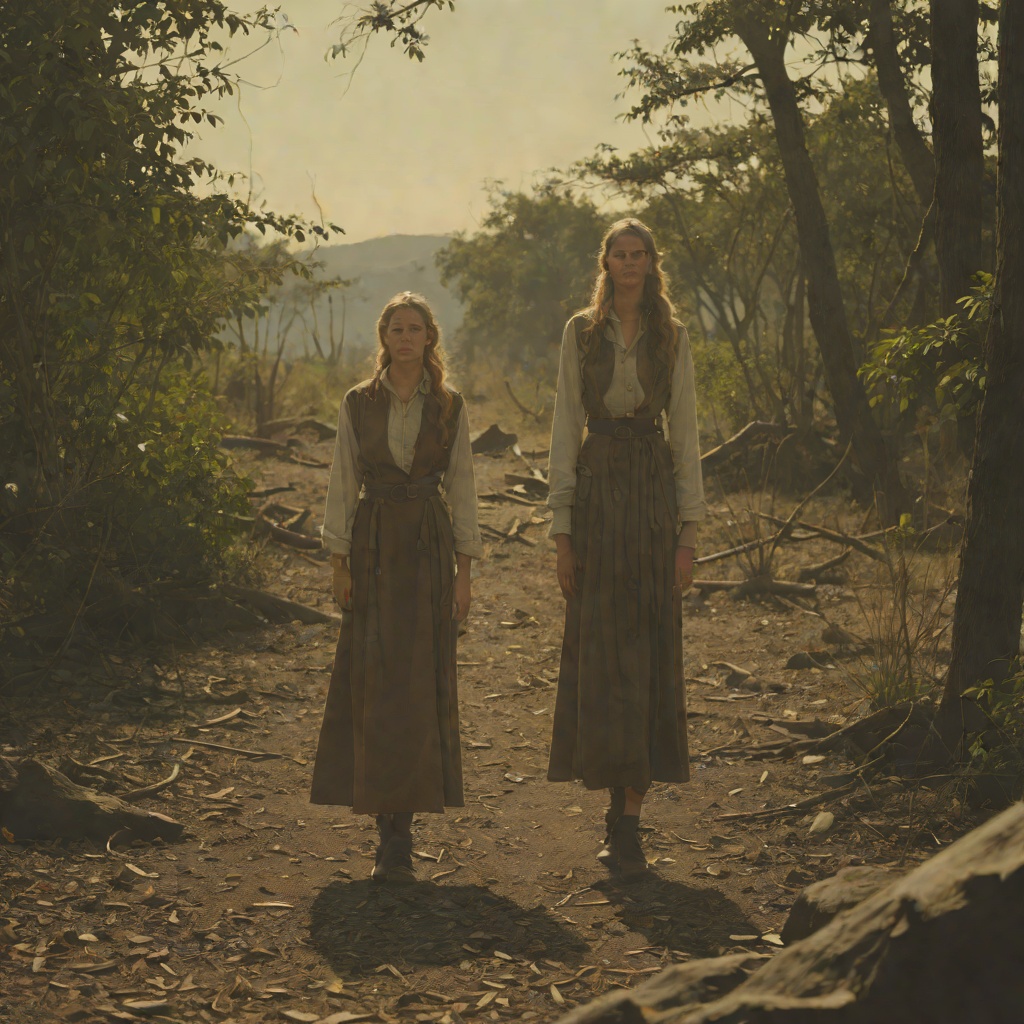
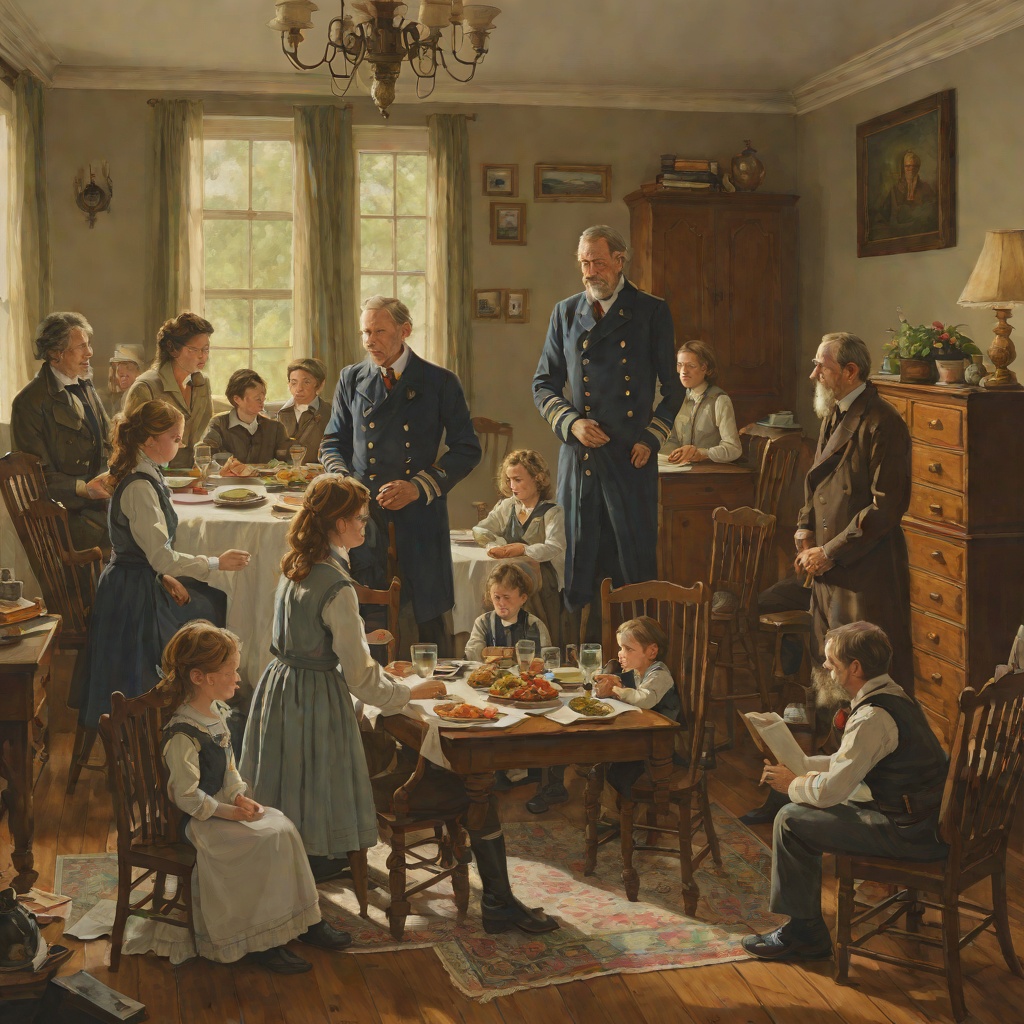
The Captain and Ann BarbaraOn the eve of the family's departure from Polotzk, Hannah Hayye received a bold letter from her husband, Joseph Antin, who had already emigrated to America. In it, he wrote that progressive Jews in America did not spend their days in praying, and he urged her to leave her wig in Polotzk as a first step of progress. This instruction, delivered from across the ocean, set in motion a quiet but profound personal revolution. For Hannah Hayye, who had taken her religion on authority all her life, the wig was not merely an article of dress but the emblem of matrimonial chastity, an outward symbol of obedience inseparable from the spirit of the Jewish faith. Yet, bred to submission, she prepared to accept the new order of things under which her children's future was to be formed, showing her native adaptability and readiness to fall into line.
The Symbolic Weight of the Wig
In the Pale of Settlement, the wig worn by married Jewish women was a deeply entrenched marker of piety and modesty. A girl's real schoolroom was her mother's kitchen, where she learned to bake, cook, manage, knit, sew, and embroider, all while her mother instructed her in the laws regulating a pious Jewish household and the conduct proper for a Jewish wife. Marriage was a sacrament, and to rear a family of children was to serve God; woman's only work was motherhood. The wig, therefore, was not a fashion choice but a sacred obligation, binding the wearer to the law of the Fathers. To give it up was to sever a visible link to the traditions that defined a woman's place in the community and in the eyes of God.
The Stirrings of Change in Polotzk
The breath of revolt against orthodox externals was beginning to reach Polotzk from the greater world, notably from America. Sons whose parents had impoverished themselves by paying fines for non-appearance for military duty, in order to save their darlings from the inevitable sins of violated Judaism while in the service, sent home portraits of themselves with their faces shaved. The grieved old fathers and mothers, after offering up special prayers for the renegades and giving charity in their name, exhibited these significant portraits on their parlor tables. Even closer to home, Hannah Hayye's own nephew went no farther than Vilna, ten hours' journey from Polotzk, to learn to cut his beard. Within the town limits, young women of education were beginning to reject the wig after marriage. A notorious example was the beautiful daughter of Lozhe the Rav, who was not restrained by her father's conspicuous relation to Judaism from exhibiting her lovely black curls like a maiden; and it was a further sign of the times that the rav did not disown his daughter.
The Act of Giving Up the Wig
Shaken by these foreshadowings of revolution in her midst and by the express authority of her husband, Hannah Hayye gave up the emblem of matrimonial chastity with but a passing struggle. The decision was not made without reluctance; the Jewish faith in her was deeply rooted, as in the best of Jews it always is. But the combined pressure of her husband's explicit command and the visible erosion of old customs around her left little room for resistance. Considering how the heavy burdens she had borne from childhood had never allowed her time to think for herself at all, but had obliged her always to tread blindly in the beaten paths, her poise in this puzzling situation was greatly to her credit. She did not lose her balance entirely; instead, she perceived a conflict of authorities and prepared to accept the new order of things under which her children's future was to be formed.
The Broader Context of Emigration
The wig was left behind as part of a larger upheaval. When the steamer ticket arrived, the news spread all over Polotzk that Hannah Hayye had received a ticket for America, and a steady stream of friends, foes, distant relatives, and mere neighbors poured into the street from every quarter of the city, from both sides of the Dvina, from over the Polota. Amid the congratulations and blessings, the questions about kosher food on the ship and the advice to pack prayer books and twenty pounds of zwieback, the wig was a silent casualty of the journey. The family's initiation into American ways began with the first step on the new soil, as Joseph Antin instructed his children not to lean out of windows, not to point, and explained the word 'greenhorn.' For Hannah Hayye, the loss of the wig was the first of many such lessons.
The Long Process of Emancipation
The process of her emancipation was not obvious at the time, but her outward conduct, interpreted by subsequent experience, reveals how she gradually dropped the husk and retained the kernel of Judaism. Years were required for this process of instinctive selection. To this day, she keeps the same day of rest as her Gentile neighbors all the year round, but when the ram's horn blows on the Day of Atonement, calling upon Israel to cleanse its heart from sin and draw nearer to the God of its fathers, her soul is stirred as of old, and she needs must join in the ancient service. The wig, left behind in Polotzk, was the first thread pulled in the unraveling of orthodox externals, a sacrifice that allowed the deeper faith to survive the journey to the New World.